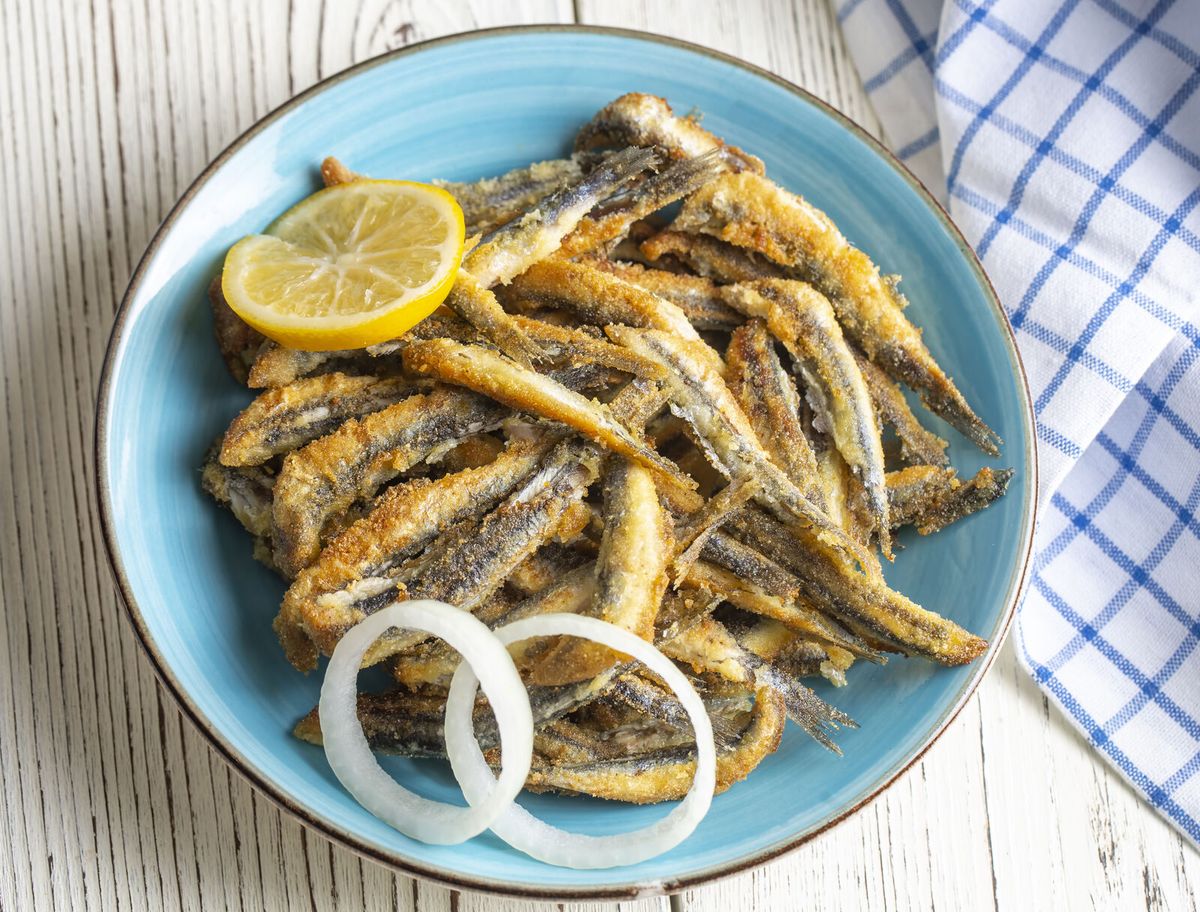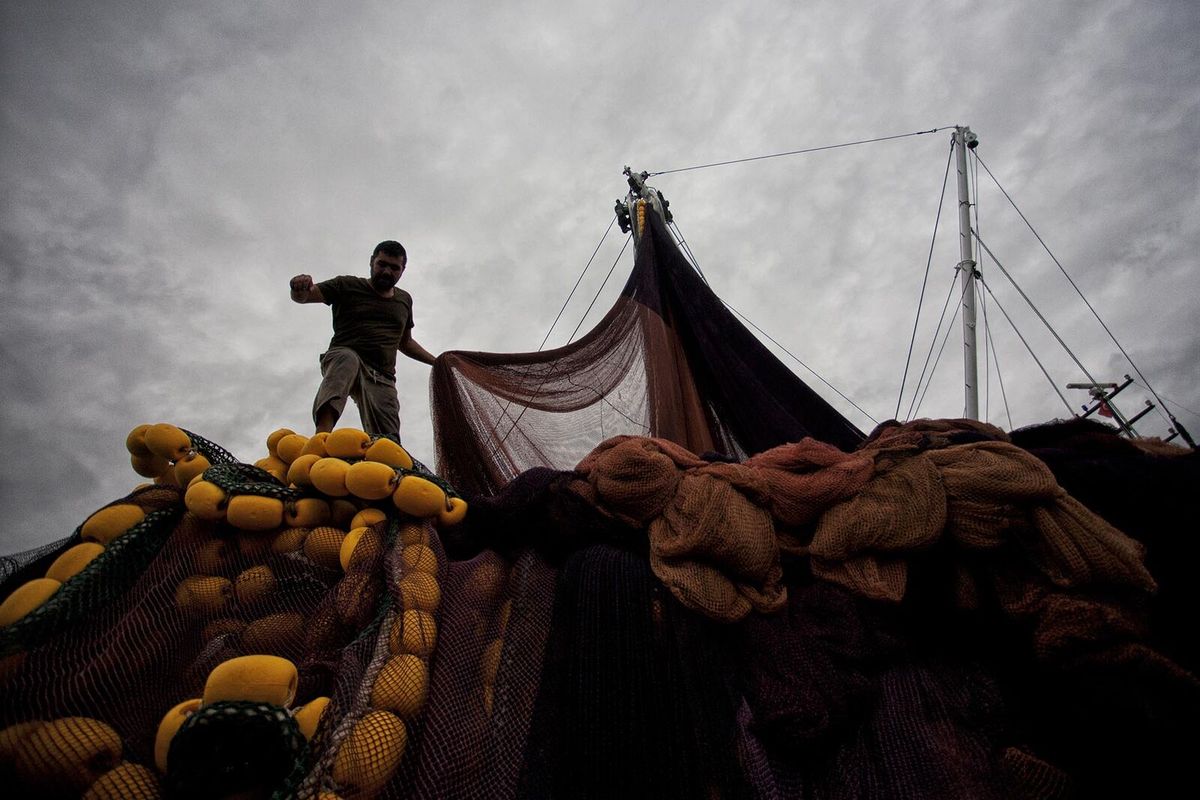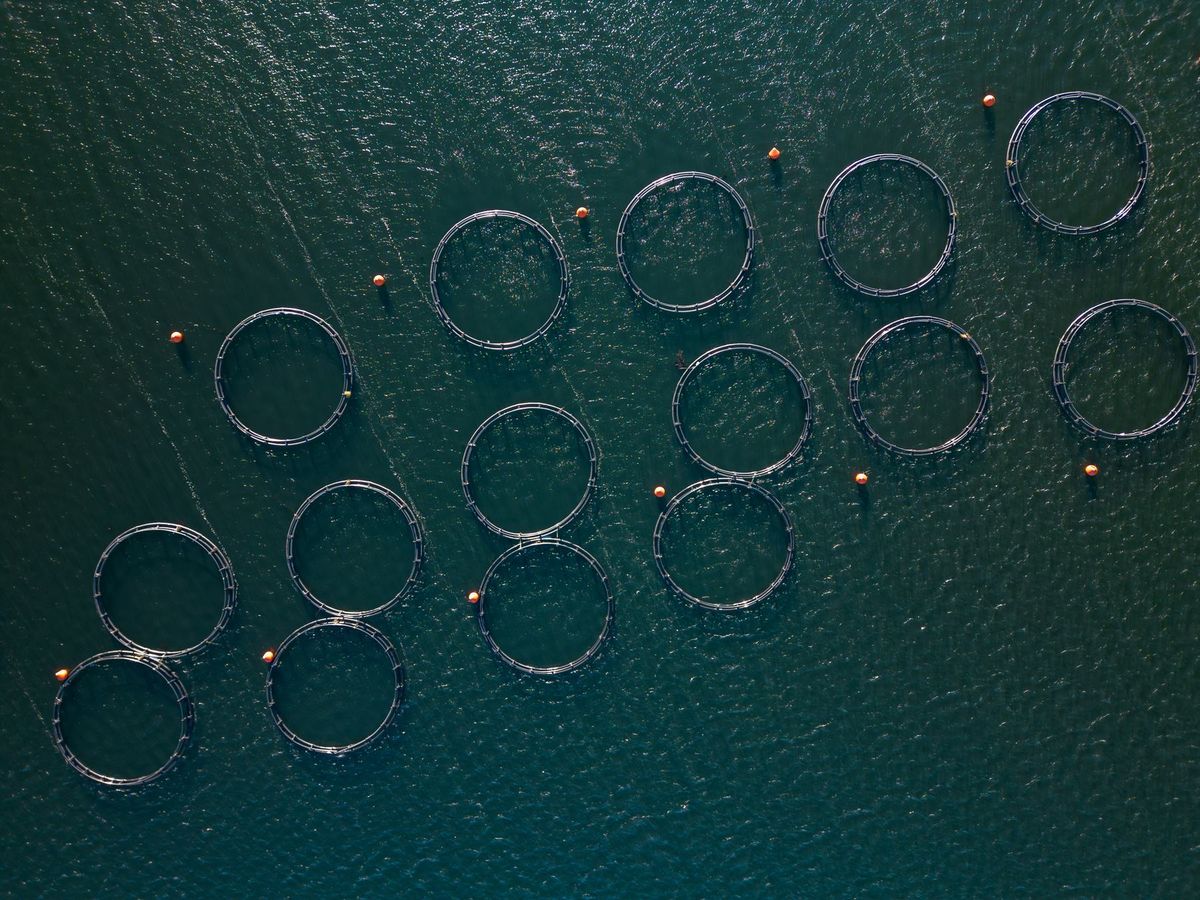
MSC certifies wild-caught seafood and ASC certifies responsibly farmed seafood. A Chain of Custody certificate means certified fish can be traced through every step of processing and supply, so it is kept separate from uncertified fish.
Wild-caught and farmed, in short
Wild-caught fish are caught at sea. Farmed fish are raised in managed pens or cages, in Vira’s case in open sea waters. Both can be good choices. What matters is that the source is well managed and the fish can be traced.
What MSC and ASC are
The Marine Stewardship Council (MSC) runs a standard for wild-capture fisheries. The Aquaculture Stewardship Council (ASC) runs a standard for farmed seafood. They are independent organisations, and a product can only carry their label when the whole chain is certified.
What Chain of Custody means
Chain of Custody is the traceability layer. A site that handles certified fish must keep it separate from uncertified fish and keep records that link the product back to its source. It is about proving where the fish has been, not about a single farm or fishing trip.
What Vira’s production partner holds
Our production partner holds MSC Chain of Custody (MSC-C-65514) and ASC Chain of Custody (ASC-C-43974), both valid to 2 July 2027, alongside BRCGS Grade A for food safety. You can open each certificate on the certification page. Certification applies to the production partner’s certified lines, so please ask us which products a certificate covers for your order.